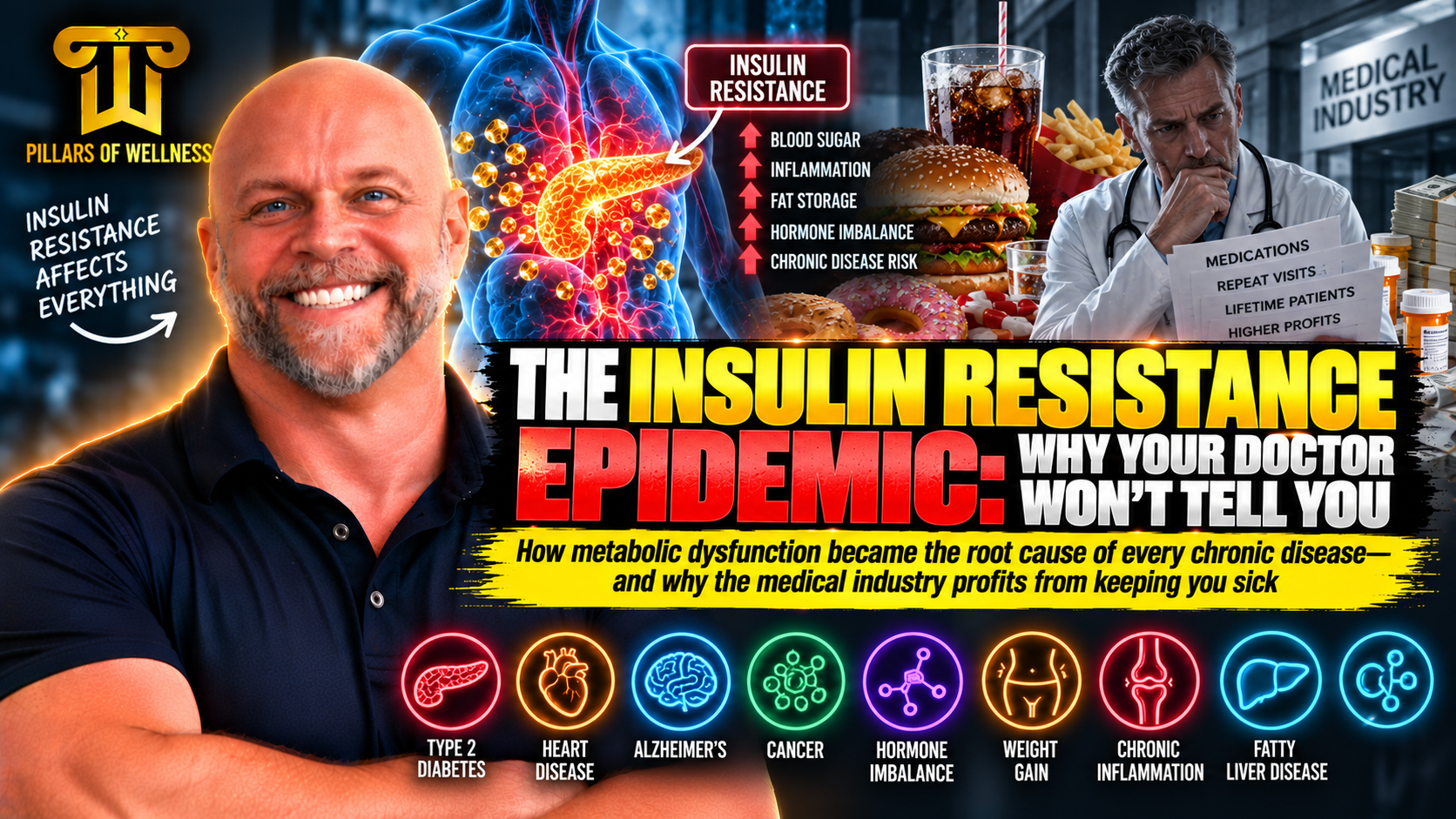

In this episode, Dr. Matt Chalmers breaks down one of the most overlooked yet critical factors in modern health: insulin resistance. Far from being just a diabetes concern, insulin resistance is the hidden driver behind nearly every chronic disease—from heart disease and cancer to dementia, PCOS, and even mental health disorders like depression and anxiety.
Dr. Chalmers challenges conventional medical wisdom, explaining why the medical establishment has failed to educate the public about this metabolic crisis, and reveals the shocking truth about how our food system, sleep quality, and pharmaceutical industry perpetuate the problem. Most importantly, he provides actionable solutions: understanding the glycemic index, optimizing fasting protocols, addressing sleep apnea, and giving your body the nutrients it needs to reclaim metabolic control. If you’ve ever wondered why diet and exercise alone haven’t worked for you, or why you feel fatigued and mentally foggy despite your best efforts, this episode offers the metabolic roadmap to transform your health.
Dr. Chalmers explains that insulin is a hormone that moves nutrients across cell membranes. When insulin resistance develops, the body becomes less responsive to insulin, reducing nutrient uptake and impairing the body’s ability to build, regenerate, and repair tissue. This is linked to virtually every chronic disease.
The discussion covers how insulin resistance is connected to:
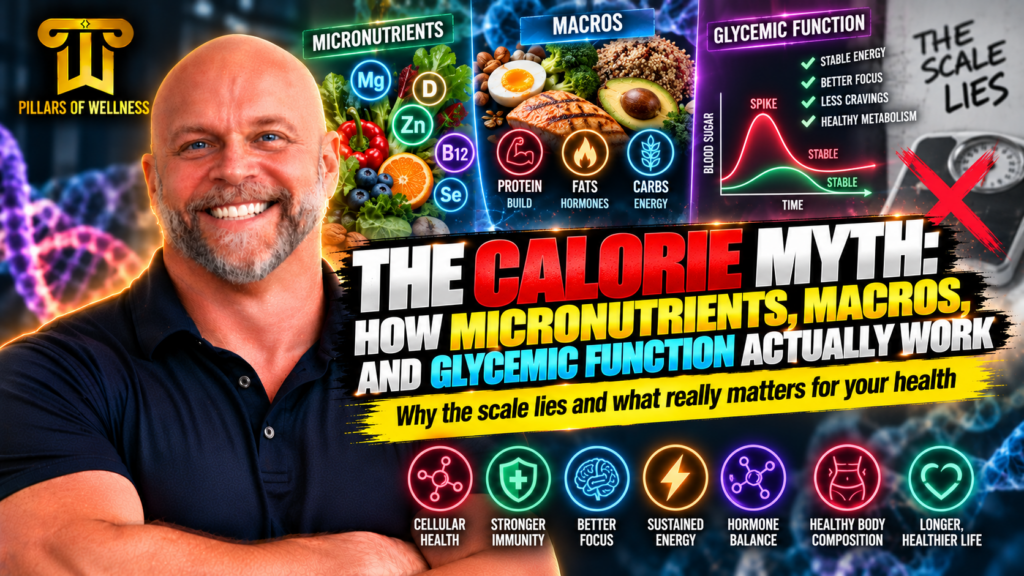
Dr. Chalmers emphasizes that calories don’t matter; what matters is the glycemic index (GI) of foods. He explains:
When fasting works properly, the body should:
However, if fasting insulin is too high, the body remains in “sugar mode,” breaks down muscle tissue, and doesn’t achieve the intended metabolic benefits.
Dr. Chalmers discusses how GLP-1s (like semaglutide) can cause significant muscle loss (40-50% of weight loss) because they don’t address the underlying insulin resistance—the body continues running on sugar rather than fat.
A critical theme: The medical establishment doesn’t prioritize teaching nutrition or hormone therapy because chronic disease is more profitable than curing patients. Doctors receive minimal education in nutrition and are taught that hormone therapy causes cancer.
Dr. Chalmers emphasizes that psychological issues (anxiety, depression, postpartum depression) are metabolic in origin and can be significantly improved by fixing metabolic dysfunction and nutrient deficiency.
The overarching message is that insulin resistance is the root cause of most chronic diseases, and fixing it through proper diet, lifestyle, and targeted interventions can dramatically improve health outcomes.
Check out PillarsOfWellness.com for Wellness updates! And ask me any questions you have at questions@chalmerswellness.com.
I answer them all and look forward to hearing from you.
Comment, like, and interact with other people on their wellness journey. Communities can make a difference. DrChalmers.substack.com
Check out my website: https://pillarsofwellness.com/
Social Channels: Instagram: https://www.instagram.com/drchalmers1/
Facebook: https://www.facebook.com/ChalmersWellness
LinkedIn: https://www.linkedin.com/in/matt-chalmers-a422803b/
Dr. Matt Chalmers
Disclaimer: This content is for informational purposes only. Before taking any action based on this information, you should first consult with your physician or health care provider. This information is not intended to be a substitute for professional medical advice, diagnosis, or treatment. Always seek the advice of your physician or other qualified health providers with any questions regarding a medical condition, your health, or wellness