Tired, cold, gaining weight, losing hair and foggy, even on thyroid medication? Dr. Matt Chalmers looks past TSH to find out whether thyroid hormone is actually reaching your cells, in Frisco, TX and by telehealth across the US.
Classic hypothyroidism means your thyroid isn’t making enough hormone. But many of the people we see have plenty of thyroid hormone in their blood, from their own thyroid or from medication, and still feel awful. The problem is that the active hormone isn’t getting into the cells that need it. That’s often caused by nutrient deficiencies like low magnesium, selenium, zinc or B vitamins.
Hashimoto’s is different. It’s an autoimmune condition in which the body attacks its own thyroid. Our approach there is to calm what’s driving the attack, reduce the toxic load on the body, heal the gut, and then feed the thyroid what it needs.
Testosterone, estrogen, insulin and glucagon all affect how well thyroid hormone works, so we balance them first.
Clear out the gut, rebuild healthy flora and break food sensitivities so nutrients are absorbed and inflammation comes down.
Replace the minerals and vitamins your thyroid needs. With everything in place, the body often self-regulates and the thyroid balances.
TSH isn’t a thyroid hormone; it’s the signal that tells your thyroid to work. Checking TSH alone tells you the message was sent, not whether it got through. A real thyroid workup starts with:
From there, we look at food sensitivities and insulin resistance. See our fatigue page for more on why so many people are told their thyroid is “fine.”
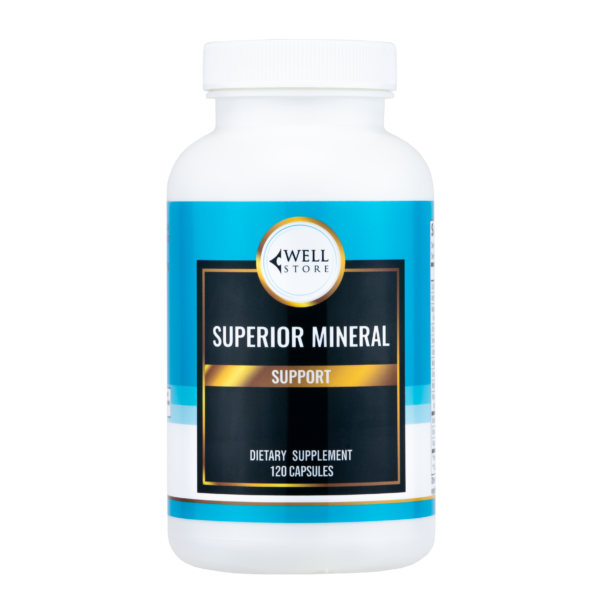
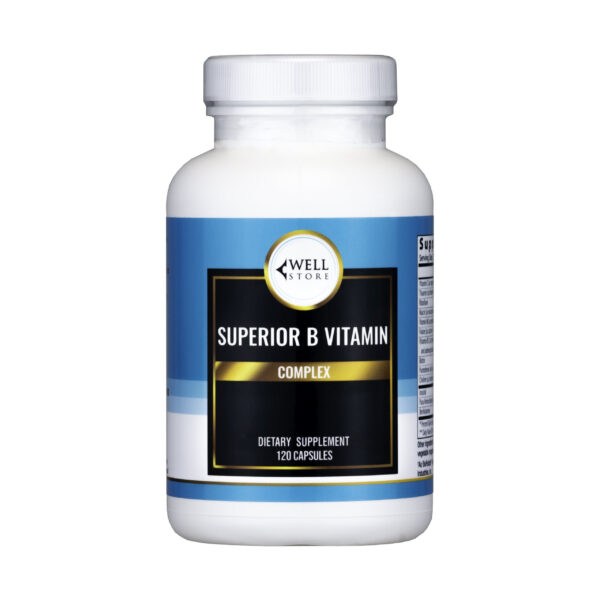
Iodine, selenium, zinc, iron and magnesium are critical nutrients that let your body make T3 and T4 and get them into the cell to do their job. They’re often depleted by birth control, poor diet, stress and many medications. Getting them back in can be the difference between your thyroid working and not.
Insulin resistance reduces the uptake of hormones and nutrients into your cells, so everything has less effect. It also raises inflammation throughout the body, which makes everything work less well.
In my experience, most of your energy comes from testosterone and thyroid working together. If you’re low on either, you feel it, and if you’re low on both, it’s multiplied.
A low-glycemic diet is always the best option for thyroid issues.
GLP-1s and peptides can reduce visceral fat and the inflammation it causes, and help the body regulate energy (ATP) production, which helps the thyroid too. Their biggest benefit is reducing insulin resistance.
T4 medication like levothyroxine is fine, as long as it’s paired with the nutrients and minerals your body needs to use it. Sometimes we shift to or add T3, but getting all the hormones and nutrients back in place helps the most.
If you’re on levothyroxine and still feel bad, we check insulin resistance, testosterone and minerals. In our experience, fixing those almost always helps. Remember, it doesn’t always matter what’s in the blood; it matters what gets into the tissue. Please don’t change or stop thyroid medication without your prescriber.
If we find nodules or signs of an overactive thyroid (such as Graves’ disease) or thyroid cancer, we send you for imaging and then to the right specialists.
Energy, fat loss, mental clarity and temperature regulation usually start coming back in about 6–8 weeks.
A 35-year-old woman came to us struggling with her weight, always cold, with low energy and foggy thinking. Her doctor had her on levothyroxine for about a year, and she didn’t feel any better. We got her testosterone up and her minerals back, and six weeks later she felt like a completely different person.
— Dr. Matt Chalmers
Individual results vary. If you have issues with how you feel, get checked, and work with someone who has real success treating thyroid problems. If they don’t talk about diet and supplementation, they don’t really know how this works.
Yes. TSH tells the thyroid to work, but you don’t know whether the message got through unless you test T3 and T4. If only TSH is checked, most of the important information is missing. At minimum you need TSH, free and total T3 and T4, and reverse T3.
Hypothyroidism simply means low thyroid function. Hashimoto’s is an autoimmune disease in which the body attacks the thyroid, and it’s treated differently.
Yes, for many people it can, especially when the hormones, gut, nutrients and inflammation driving it are addressed.
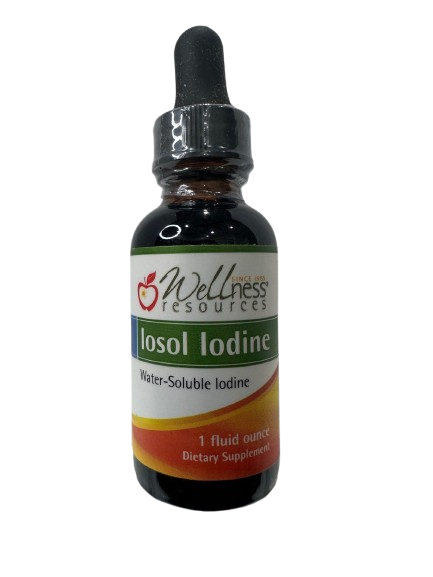
Only if you’re low on iodine. We test first, because too much iodine can aggravate Hashimoto’s in some people.
If the hormone isn’t getting into your cells and being activated, it won’t work. It doesn’t always matter what’s in the blood; it matters what gets into the tissue.
Yes, and they often do. Those are some of the top signs of a thyroid problem.
Yes, to a large degree. If your pregnancy plan doesn’t include thyroid management, you need to expand your planning.
The labs often can be, but coverage for the rest is iffy. Call 214-446-5300 for details.
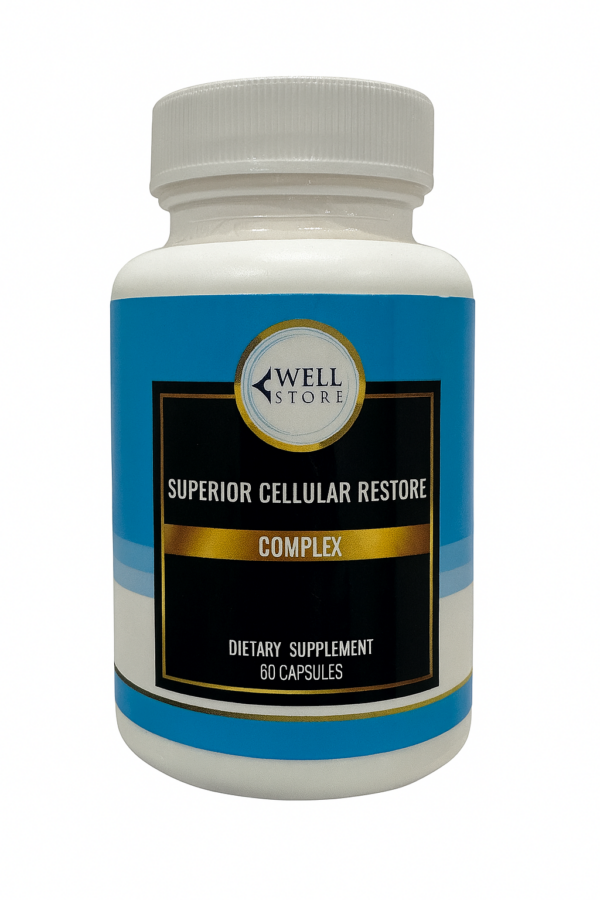
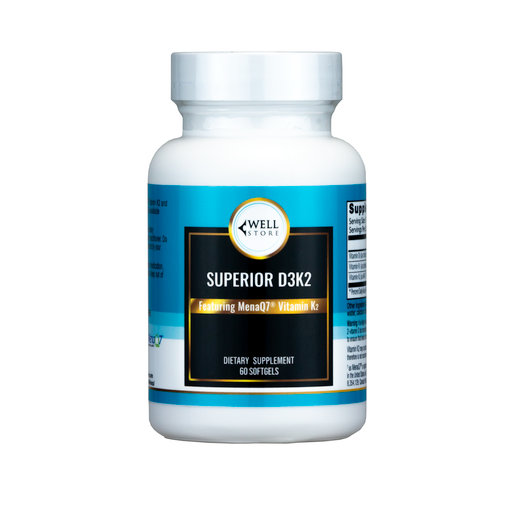
These are the nutrients Dr. Chalmers most often uses to support thyroid function. Iodine should be guided by testing, especially with Hashimoto’s.
Tell us a little about what you’re dealing with, and a member of the Pillars of Wellness team will contact you. Prefer to call? 214-446-5300.
Written by Dr. Matt Chalmers, DC, CCCN, CCSP. Medically reviewed by, and medical services provided with physician oversight from, Dr. Deborah Z. Bain, MD, FAAP. This page is educational and does not replace individualized medical advice, diagnosis, or treatment. Thyroid medication, hormone therapy and GLP-1 medications are prescription treatments that require an evaluation and are not right for everyone.
*Statements about dietary supplements have not been evaluated by the Food and Drug Administration. These products are not intended to diagnose, treat, cure, or prevent any disease.