Life feels gray, you have no drive, and the things you used to enjoy feel like chores. Your engine isn’t broken; it’s out of fuel. Dr. Matt Chalmers helps men and women restore the hormones and nutrients behind mood and motivation, in Frisco, TX and by telehealth across the US.
If you are having thoughts of suicide or harming yourself, call or text 988 (Suicide & Crisis Lifeline) or call 911 right away. You don’t have to go through this alone.
You or someone you know skipped a meal and got grumpy, tired and angry. Then they ate, and they were fine again. What happened is that metabolic needs weren’t met, so the emotional system collapsed with them.
Depression often works the same way. If your hormones and nutrients aren’t where they should be, or your metabolic needs aren’t being met, your psychological and emotional system starts to collapse. Restore the metabolic function, and you help restore the psychological and emotional.
This idea is gaining ground in psychiatry itself. Dr. Christopher Palmer, a Harvard Medical School psychiatrist and author of Brain Energy, argues that mental disorders are metabolic disorders of the brain. If you’ve “tried everything” and gotten nowhere, but no one has changed the chemicals that make your body work, let’s try that first.
Men usually tell me it’s fatigue and stress. Women usually describe fatigue and anxiety. It’s often the same thing, just described differently.
For men, it’s a complete lack of desire to do anything. Want to go play basketball? No. Go to a movie with us? No. Then do you want to just sit there and do nothing? No. That’s what makes it horrible. It isn’t that you’re happy doing nothing. Everything feels like something you have to do, and there’s no joy in any of it. Your spirit feels exhausted, maybe not broken yet, just worn out.
For most men, that doesn’t matter. You have to get up and carry on because too many people depend on you. So you don’t say anything, and it gets worse and worse. You don’t have to live like that. Your engine isn’t broken; it’s out of fuel.
Hormones like testosterone tell the body to regenerate, repair and rebuild the energy that drive and motivation depend on.
Nutrients are what your body uses to build neurotransmitters. We find what’s missing and replace it, and calm the inflammation that steals it.
We work alongside therapists and psychiatric care, and we can connect you with great therapists if you don’t have one.
Testosterone is the hormone that tells the body to regenerate and repair, and it connects with the brain chemicals tied to energy and positive thinking. As you rebuild your energy stores, you can exercise again, and nothing quiets the amygdala, the part of the brain where fear, anger and anxiety live, like exercise. Getting testosterone back where it should be can be the spark many men, and women, need to take back control of their metabolic and emotional health.
Your brain needs a stable supply of energy. Your body makes that energy (ATP) from raw materials, but if it can’t get them into the cell, it can’t make new cells or new energy. Insulin resistance blocks the flow of nutrients into the cell. Think of it like shutting down the port that brings in all your supplies.
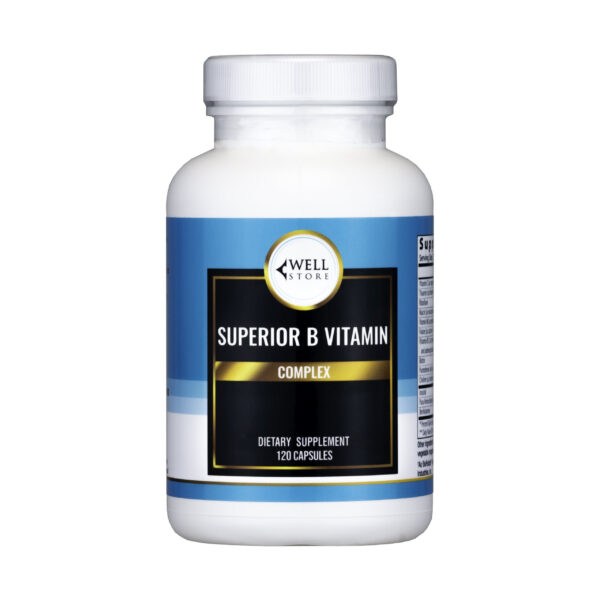
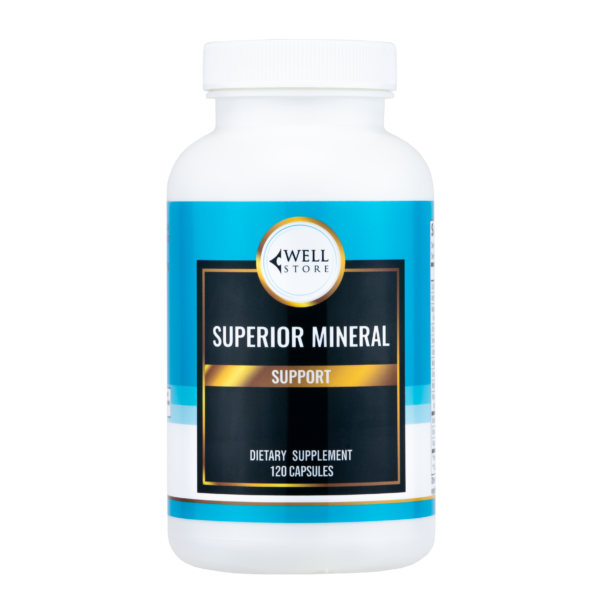
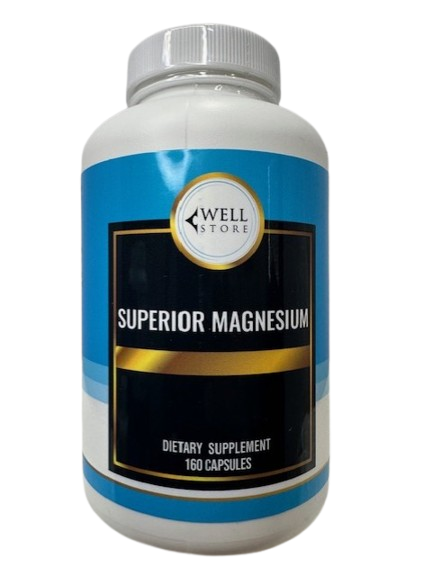
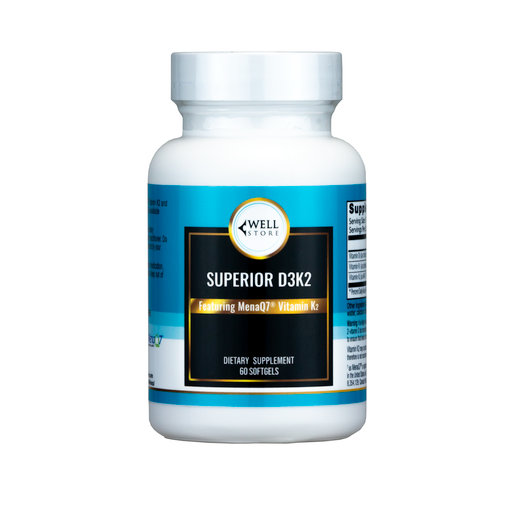
B vitamins, minerals, vitamin D, iron and omega-3s are the raw materials your body uses to build neurotransmitters and keep communication channels open. Hormones command the body to build; the raw materials determine how much it can actually make.
Chronic stress keeps cortisol high, which can keep insulin high and cause stress-induced insulin resistance. Thyroid hormones are great for energy and mental clarity, but they are very often blocked by low selenium, magnesium, iron and zinc. See our fatigue page for the thyroid tests most people never get.
Inflammation pulls nutrients away to fight, and it blocks nutrients and hormones from being absorbed and used. With too much inflammation, what would normally be enough isn’t. Calm the inflammation, and you often restore the balance your body needed. Many patients use our Parasite Cleanse Protocol to reset the gut.
Sleep is when everything regenerates and replenishes. If you’re low on neurotransmitters, your body can rebuild them while you sleep, if you sleep. Sleep apnea restricts oxygen, makes the problem worse and increases insulin resistance over time.
These are major players. Testosterone helps energy, sex drive, mental clarity, strength and drive. GLP-1s help reduce inflammation, insulin resistance and sleep apnea and help restore metabolic function. If you feel bad enough to be searching for this, chances are some of this applies to you.
My goal is always to get a person to a place where they no longer need medication, but we do that safely and together with your prescriber. Never stop an antidepressant on your own; stopping suddenly can be dangerous. As the underlying need is addressed, we work with your psychiatric team to help you wind down safely.
We try hard to integrate with your psych team, and if you don’t have one, we work with a number of great providers and can help get you there. Everyone needs a coach, therapist or doctor in their corner. Don’t try to go through this alone.
We will never abandon you. If you develop thoughts of suicide, signs of bipolar disorder or severe depression, we will make sure the right specialists are brought onto your team. If you are in crisis, call or text 988 or call 911.
Most people start to feel their energy coming back in about 6–8 weeks, and it picks up from there. It’s a lot of fun to watch people wake up and take back their lives.
The typical call goes like this: life feels dark and gray, energy is low, sex drive is low. They know their partner deserves better, but they have nothing left. They want to want to do things, but they have no desire. They’ve often talked to their doctor and were offered antidepressants, which either didn’t work or weren’t the road they wanted. So they’re stuck and miserable. We reset their body systems back to original design and watch them get better over the next couple of months. Change the name and the details, man or woman, and that’s the path I see day in and day out.
— Dr. Matt Chalmers
Individual results vary.
Yes. Low testosterone is often a significant contributor to depression, in both men and women.
Get your labs pulled. If your testosterone is low, bringing it back up is the best place to start, because everything else works better with healthy testosterone. Testosterone isn’t the only factor, but it’s usually the first one we check.
Yes, they still might. Many mental health struggles have a metabolic side, and nutrient deficiencies can be at the root of it.
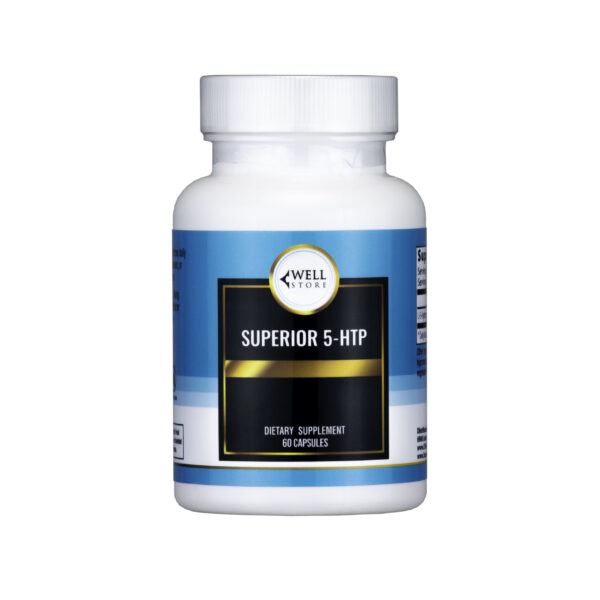
Yes. It’s very important not to just stop an antidepressant; that can be dangerous. As the underlying need is replaced, we work with your psych team to help you wind down safely. Supplements like 5-HTP should not be combined with antidepressants unless your prescriber approves.
Absolutely. If you’ve ever seen someone who is hangry, you’ve seen how blood sugar and metabolism play into mood.
For sure it can. Balancing hormones and nutrients can greatly help. Postpartum is a major issue we love to help with. Being a mom is hard, especially right after birth (and for the first ten years or so). I have kids; I get it. Come get your balance, energy and mental clarity back, and a healthy sex drive too. If postpartum feelings include thoughts of harming yourself or your baby, call or text 988 right away.
Yes, they can for some people. GLP-1s act on the brain’s reward pathways, which quiets “food noise,” but in some people that can also flatten enjoyment and motivation. It’s something we watch for. Adding testosterone and nutrients properly, or adjusting the type or dose of GLP-1, often helps. If you notice low mood on a GLP-1, tell your prescriber.
Most people start to feel better in 6–8 weeks and keep improving from there.
Unfortunately, not really. Some labs may be covered, but metabolic work often isn’t. Call 214-446-5300 for details.
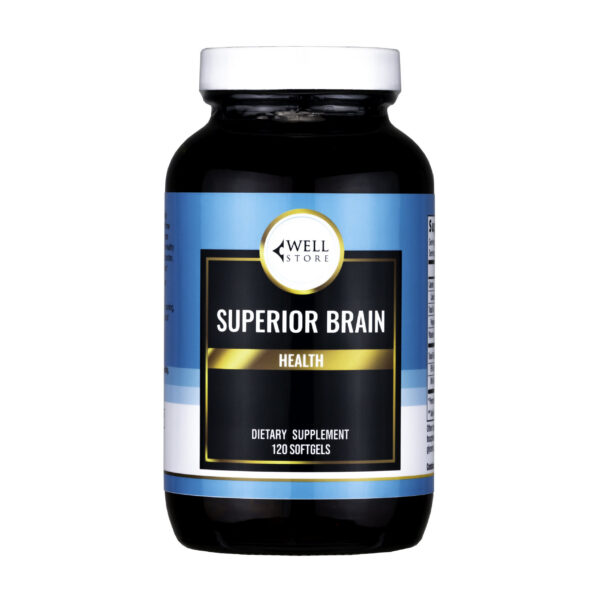
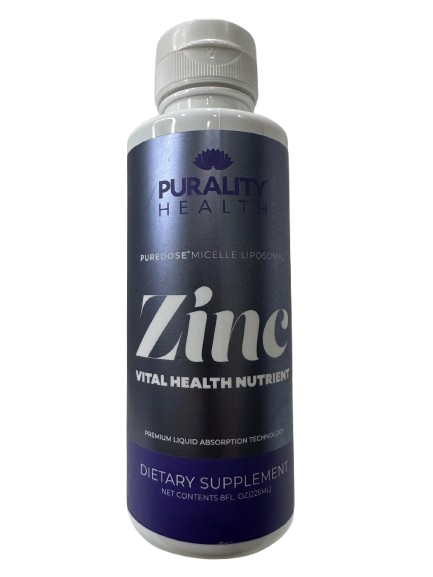
These are the nutrients Dr. Chalmers most often includes in his mood and energy plans. Check with your prescriber before taking 5-HTP if you use an antidepressant.
Tell us a little about what you’re dealing with, and a member of the Pillars of Wellness team will contact you. Prefer to call? 214-446-5300.
Written by Dr. Matt Chalmers, DC, CCCN, CCSP. Medically reviewed by, and medical services provided with physician oversight from, Dr. Deborah Z. Bain, MD, FAAP. This page is educational and does not replace individualized medical advice, diagnosis, or treatment. This page is not a substitute for mental health care. If you are in crisis, call or text 988 or call 911. Prescription options such as testosterone and GLP-1 medications require an evaluation and are not right for everyone.
*Statements about dietary supplements have not been evaluated by the Food and Drug Administration. These products are not intended to diagnose, treat, cure, or prevent any disease.