Pain, heavy periods, fatigue, mood swings and trouble getting pregnant are not something you just have to live with. Dr. Matt Chalmers helps women reset the metabolic and hormone environment that drives endometriosis, with a lot more options between birth control and surgery.
Endometriosis happens when tissue similar to the lining of the uterus grows outside the uterus, on the ovaries, pelvic lining and nearby organs. When hormones and nutrients get out of whack, the body keeps signaling that tissue to grow and expand. That creates significant problems: pain, heavy flows, fatigue, mental and emotional swings, weight gain, fertility issues and a modestly higher risk of certain ovarian cancers.
The usual path is birth control, pain medication, hormone-suppressing drugs and surgery. Those can have a place, but they don’t change the environment that keeps the tissue growing. Your metabolism has a lot of sway over how your body grows tissue, and hormones rule the game metabolically. Estrogen and progesterone matter, but they are not the only hormones that matter.
Correct insulin resistance with low-glycemic eating, key nutrients and, when it fits, GLP-1 peptides, so insulin and glucagon stop feeding the problem.
Look at the whole picture, including insulin, testosterone, estrogen and progesterone, and bring them back into balance for your body.
Calm the gut, support the liver and get waste out of the body, so less inflammation sits right next to the uterus.
Insulin and glucagon, the metabolic hormones, interact with estrogen and testosterone and change how endometrial tissue grows, feeds and changes. Diet based on how chemicals work in your body, not on calories, helps a great deal.
One of the biggest problems I see is a misunderstanding of how hormones work in a woman’s body. The natural way a woman’s body makes estrogen is by converting testosterone into estrogen through a process called aromatization. That’s why we start with testosterone in women’s hormone care: when testosterone is where it should be, her body can naturally make its own estrogen. In our experience, the estrogen her body makes is often enough to resolve issues like hot flashes, night sweats and vaginal dryness. That means less need for added estrogen and less worry about estrogen dominance. If your plan treats estrogen as the only hormone that matters, balancing your hormones becomes very hard.
The gut matters too. An inflamed gut absorbs fewer nutrients and produces more inflammatory chemicals, and it sits right next to the uterus. If the gut isn’t addressed, it’s hard to reduce the inflammation on and around the uterus. It’s important to understand how everything works together.
We work with women who have a confirmed diagnosis and with women who strongly suspect endometriosis. Endometriosis is usually confirmed by laparoscopy, and we work with a number of great surgeons when that’s needed. But surgery is not the goal. The goal is to reset the metabolic processes that lead to or worsen endometriosis.
Every woman’s body is a little different, so we add to these labs whenever we need to.
Insulin resistance can decrease hormone function, nutrient absorption, energy production, detoxification and basically every part of your body. If it isn’t factored in, you are missing the biggest problem we see in our world today. Diabetes, dementia, heart attack, stroke, sleep apnea and many mental and emotional issues are tied to it. It’s the same reason PCOS was renamed PMOS (polyendocrine metabolic ovarian syndrome).
Eat low glycemic, and learn how to fit your favorite foods into your diet. You can have cookies, ice cream, cake and pizza and still be healthy. I know you don’t hear this often, but it’s the chemistry, not the calories, that matters.
GLP-1 peptides are amazing for helping with these issues, and other targeted peptides can play a role too. Everyone’s body is a little different, so we hold off on telling anyone what their body needs until we’ve worked with them and understand their goals.
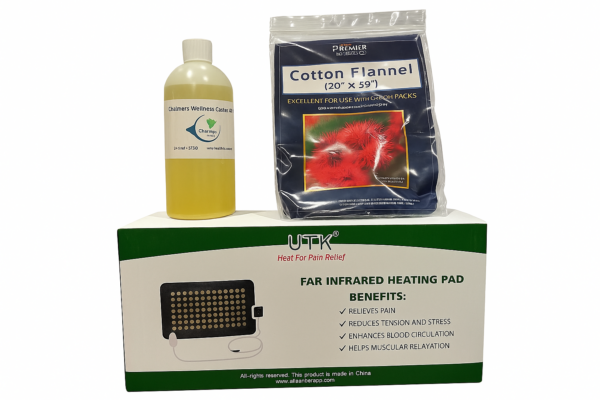
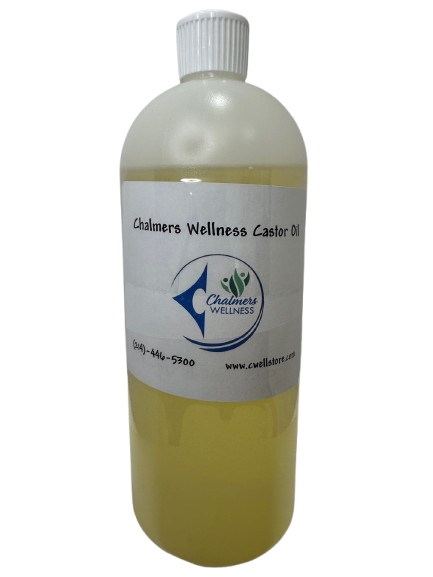
Castor oil packs can really help with calming, detox, pain and sleep. Helping the body reduce its toxic load reduces a lot of problems. Getting waste out of the body is often as important as getting nutrients in. Many of our patients also use our Parasite Cleanse Protocol for gut and liver support.
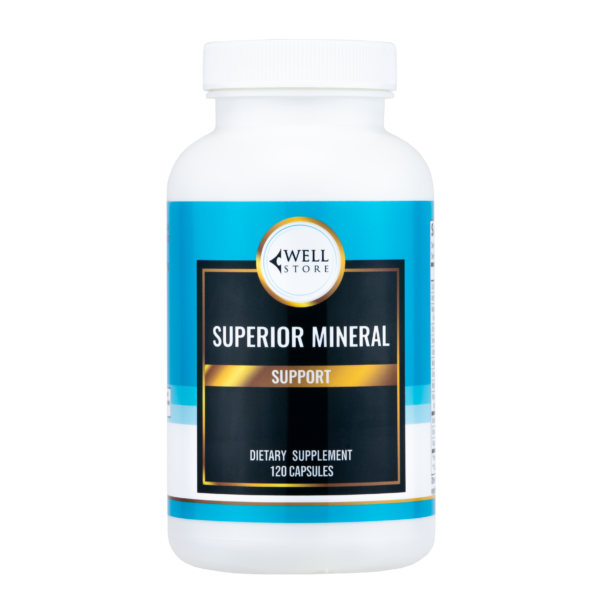
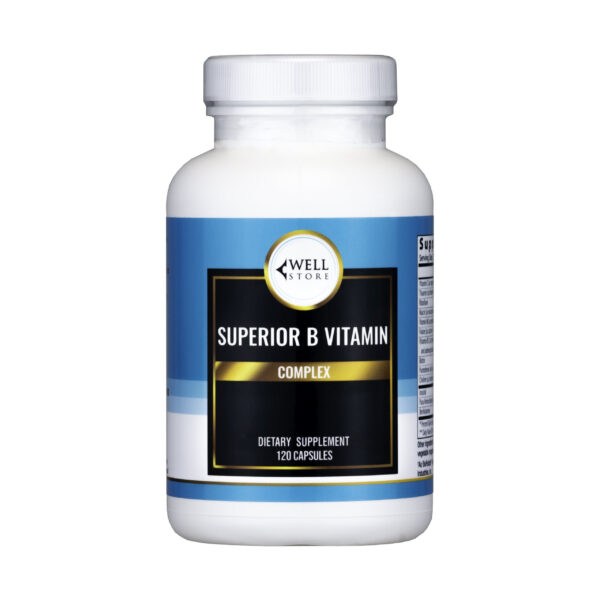
To support fertility, we balance the hormones, reduce the toxic buildup in the body (mostly from our food, water and air), and restore nutrient levels like minerals, B vitamins and hydration. If you’re hoping to conceive, I recommend balancing your metabolic hormones and diet before you try. (We support natural conception and do not offer IVF.)
We often start to see results in as little as two cycles. Results vary from person to person, but change often comes fairly quickly.
A patient came in after she had already had surgery for endometriosis. Her doctor told her she would most likely need a few more surgeries before an eventual hysterectomy. She didn’t like that plan, and she wanted to get pregnant. We balanced her insulin resistance, reset her gut and her hormones, and got her sleeping properly again. She was able to get pregnant, her symptoms were significantly reduced from that point forward, and she has not needed another surgery.
— Dr. Matt Chalmers
Individual results vary. We work with women all over the US by Zoom, and in person at our Frisco, TX clinic.
You can have both. They share some underlying issues; insulin resistance is often a major player in both, as are nutrient deficiencies. Learn more on our PCOS/PMOS page.
No, they are not normal, even though they are common in women with PCOS/PMOS and endometriosis.
For many women, yes. It’s often a hormone-driven issue, so correcting the hormones helps bring it into balance. Remember, there are a lot more hormones than testosterone, estrogen and progesterone. If those are the only ones your doctor has talked to you about, you’re missing key players.
It can. Changing the hormone and nutrient environment in and around the uterus changes how this tissue works and grows. Surgery is not the only option for most women.
It can, but many women are left with lasting damage and scar tissue.
Yes. I recommend balancing your metabolic hormones and diet before you try.
Yes. Getting the right nutrients in is critical, and reducing metabolic stress by lowering your glycemic load really helps.
Estrogen dominance means unopposed estrogen: basically, too much estrogen for too long. It matters because estrogen helps drive endometrial tissue growth.
Yes. We see lots of young women with endometriosis. If she is ovulating, she is not too young for these issues; it can start as early as 12.
Unfortunately, insurance does not cover all of it, but we do offer financing. Call 214-446-5300 for details.
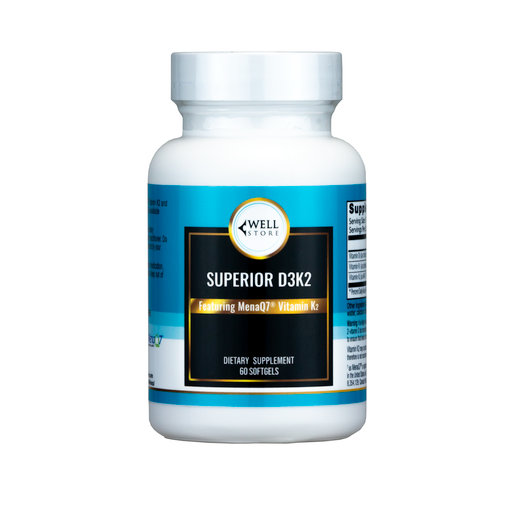
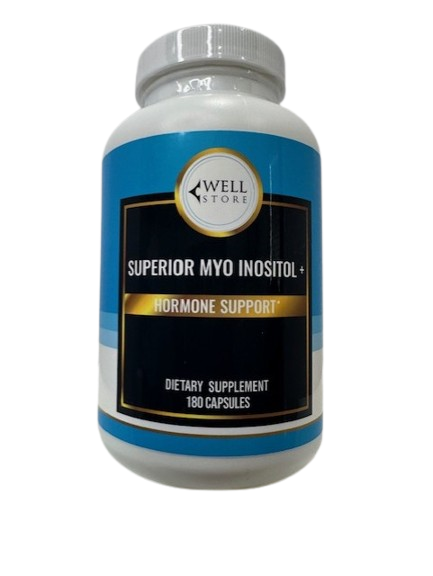
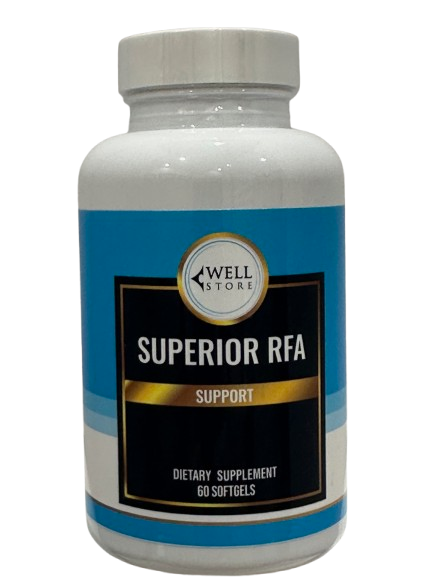
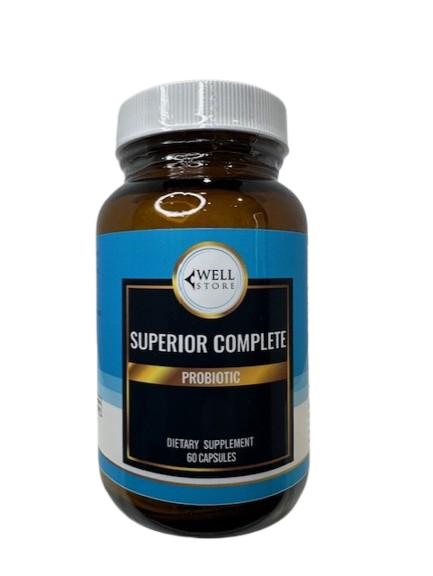
These are the nutrients and tools Dr. Chalmers most often includes in his endometriosis plans.
Tell us a little about what you’re dealing with, and a member of the Pillars of Wellness team will contact you. Prefer to call? 214-446-5300.
Written by Dr. Matt Chalmers, DC, CCCN, CCSP. Medically reviewed by, and medical services provided with physician oversight from, Dr. Deborah Z. Bain, MD, FAAP. This page is educational and does not replace individualized medical advice, diagnosis, or treatment. Prescription options such as GLP-1 medications and peptides require an evaluation and are not right for everyone.
*Statements about dietary supplements have not been evaluated by the Food and Drug Administration. These products are not intended to diagnose, treat, cure, or prevent any disease.