Losing your energy, sex drive, sleep and mental clarity is not something you have to accept with age. You’re not broken, and you’re not going crazy. Dr. Matt Chalmers helps women restore the hormones that tell the body what to do, in Frisco, TX and by telehealth across the US.
It feels like your energy, sex drive, strength, mental clarity and, to a degree, your sanity are slowly evaporating. Women tell me they feel like they’re withering away, or like the air has slowly been let out of them over the last few years. Some say their energy is down, but the real problem is that their sex drive is gone and it’s causing problems in their marriage.
All of that is common. You’re not broken. You’re running out of the hormonal regulation that tells your body how to work the way it was designed to.
You don’t have to have all of them; most women don’t. Any one of them, or any combination, is enough reason to get your labs drawn.
Usually in the early 40s, but I’ve seen signs in the mid-to-late 30s. Your age doesn’t matter; how you feel matters. Listen to your body and come in when you don’t feel right. Don’t let it go for months or years. Everyone is counting on you, so take care of yourself so you can take care of everyone else.
Most women are told it’s normal for their age. That’s a giant load of crap. I don’t care how old you are; you should get to feel fantastic. They’re also told everything is fine, often when the right labs were never even drawn.
If you feel like something is wrong, there almost always is. I hear it all the time: a woman knew something was off, but her doctor told her it was in her head because her “labs looked fine.” My philosophy is different. I treat the patient, not the labs. Your concerns will always matter more than a single number, and labs are often drawn or read the wrong way.
That isn’t my rule. It’s the way God designed the body. A woman makes testosterone, then converts testosterone into estrogen through a process called aromatization. If we don’t start with testosterone, knowing it will convert into estrogen, balancing hormones gets really hard.
So we start the way the body was designed. We get testosterone where it needs to be, then move on to estrogen. What you’ll often find is that, because testosterone is designed to become estrogen, by the time testosterone is right, most or all of the low-estrogen symptoms are resolved too.
Restore testosterone and resolve its symptoms: energy, drive, libido, strength and clarity.
Account for the estrogen your body now makes, then fill any remaining need, which is typically much lower.
Add progesterone to support sleep and balance, and fine-tune with follow-up labs.
For estrogen, we prefer creams or patches. For progesterone, pills or creams. Once testosterone is where it needs to be and we’ve accounted for its conversion into estrogen, we balance whatever estrogen need remains, which is typically significantly lower, and add progesterone to help with sleep. This custom route can take a little longer, but it’s the best route.
Much of the old fear around hormones, including the Women’s Health Initiative (WHI) study, came from synthetic hormones, which behave differently in the body than natural ones. We use bioidentical hormones, molecularly identical to the ones your body makes. Research suggests bioidentical options, especially estrogen through the skin with natural progesterone, carry a lower risk profile than the synthetic hormones used in those older studies.
We also run labs regularly and make sure you’re getting the right nutrients throughout. Hormones give the commands; if your body doesn’t have the raw materials to carry them out, that’s where a lot of problems live. Whatever medical schools think about nutrition, we take it seriously, and we make sure your body has what it needs to function at its best.
Insulin resistance usually grows over months and years, but without healthy testosterone levels it can grow much faster. That leads to fat gain, fatigue, muscle loss, poor sleep and further suppression of your hormones. Hormones tell the body what to do with what you eat, so it isn’t really about calories. With insulin resistance and stress, more fat gets laid down in the belly. That visceral fat drives inflammation, joint pain and more.
Testosterone activates osteoblasts, the cells that rebuild bone. Estrogen tells osteoclasts, the cells that break bone down, to slow down. With both in place, we reduce bone breakdown while increasing bone building. Estrogen mainly slows bone loss; testosterone helps rebuild.
Reducing insulin resistance helps a great deal. Removing visceral fat is a big part of it, reducing inflammation, water retention and joint pain throughout the system.
Years of exposure to what’s in our food, water and air break the system down. GLP-1s and peptides help reset your metabolic function so your body can burn fat and regulate sugar better, reducing inflammation, visceral fat and insulin resistance. Used properly, GLP-1s can be a massive benefit. The biggest problem we see is people using them wrong.
A low-glycemic diet is most often the best option. It helps your body burn fat for fuel and reduces inflammation, and we can fit pretty much anything you like to eat into it. It’s not the calories, it’s the chemistry.
Energy, mental clarity, sex drive and orgasm function often go way up in the first 6–8 weeks, and fat really starts coming off in that same window. Results vary from person to person.
A 42-year-old woman came in with low energy and little interest in sex, made worse by vaginal dryness. She wasn’t depressed, but life wasn’t as happy as it had been. Her family said she was more irritable, her memory had slipped, and she couldn’t regulate her temperature. She hadn’t changed her diet or workouts, yet she was holding fat where she never had before. Her fasting insulin was 16, her A1C was 6.0, her total testosterone was 22, her free testosterone was 4 and her estradiol was 40.
We added testosterone, and her energy, joy, mental clarity and memory came back. Her sex drive came way back. She went from not wanting sex at all to wanting it every other day, and she said she had never had orgasms like the ones she was having now. She said things at home just felt easier, and she was grossing out her kids by kissing their dad in front of them again. After 15 years of marriage, she said it felt like a restart.
— Dr. Matt Chalmers
Individual results vary.
Agreeing to a lower quality of life just because you’re getting older is a horrible plan. I know that’s where medicine is today, but you can choose another path and make sure your body feels the best it can. Do it for you, do it for your partner and do it for your family. Nothing builds a marriage back up like a healthy sex life.
You very well can be. How you feel is the bigger question. You can be really low on hormones and nutrients and still have some kind of cycle.
For most women, optimizing hormones is far healthier than going through life with low hormone function. We use bioidentical hormones, which research suggests carry a lower risk profile than the synthetic hormones used in older studies, and we monitor your labs throughout.
With a family history, yes, in most cases; we just monitor a little differently. A family history alone doesn’t mean you have to be miserable. If you’ve had breast cancer yourself, it is highly likely you’ll still be able to use hormones, but it’s decided case by case. The right plan depends on the type of cancer you had and any treatment you’re on now, so we build it carefully, with your oncology team when possible. You do not have to be miserable because you had breast cancer.
Not really, when it’s properly dosed and monitored. It can sometimes darken hair that’s already there, but you won’t grow a beard, and there are ways to address it if it bothers you. You also won’t bulk up; you will never accidentally grow too much muscle.
As long as you want your body to function properly. These are hormones God designed your body to make. We’re not adding something foreign; we’re restoring what your body is supposed to have.
A big reason is insulin resistance. When you eat, hormones tell your body what to do with that food. With insulin resistance and stress, much more fat gets stored in the belly as visceral fat, which creates inflammation and joint pain. Resetting metabolic function is the best way to fix it, and GLP-1 peptides are really helpful here.
Absolutely. Both have a lot to do with testosterone, so restoring it first really helps.
No. It’s never too late to get your body functioning better. We’ve worked with women from their 20s to their 80s.
Unfortunately, not very well. Labs are sometimes covered, but treatment usually isn’t. Testosterone alone typically runs about $150 for two months. Call 214-446-5300 for details.
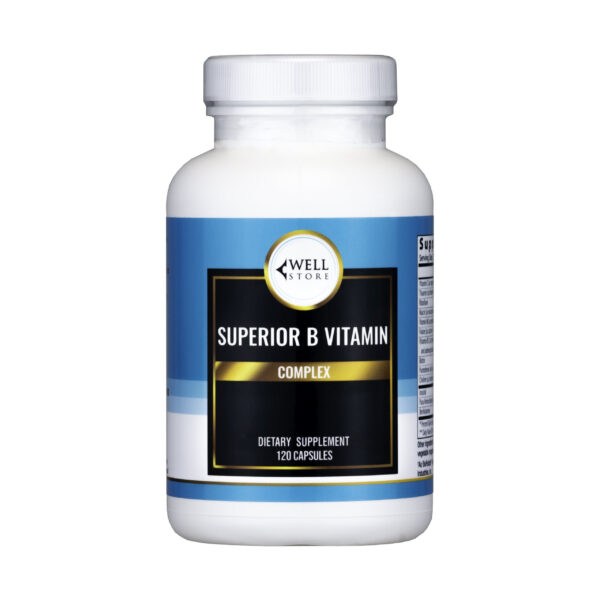
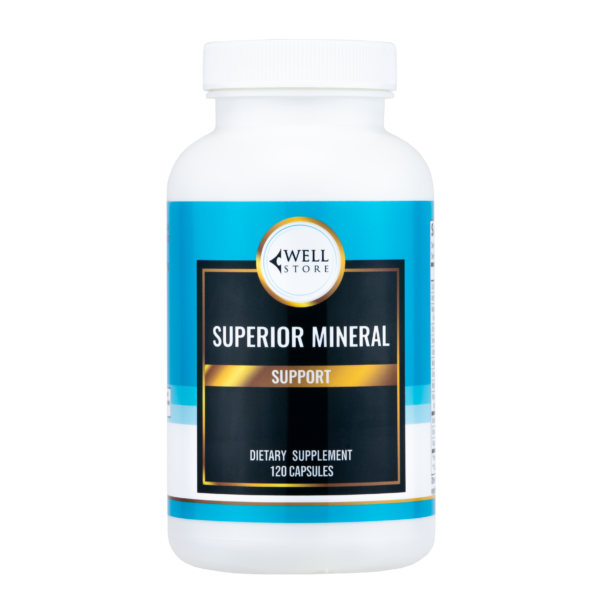
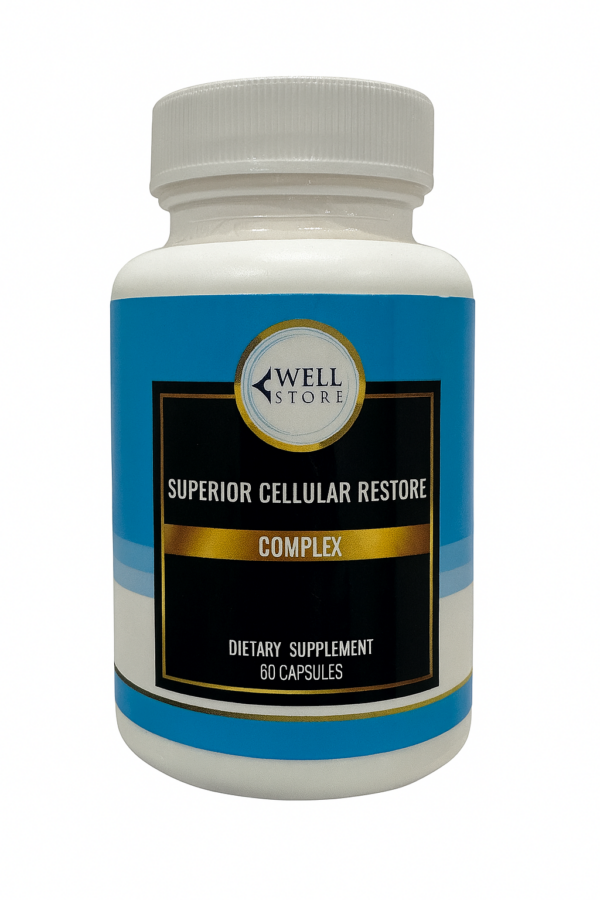
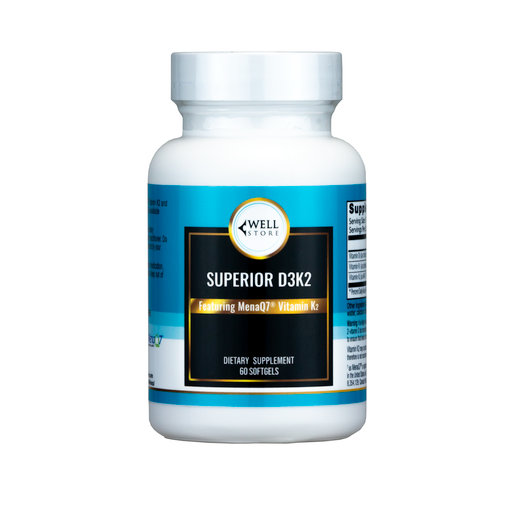
These are the nutrients Dr. Chalmers most often pairs with hormone care for women. Related reading: Why Am I Always Tired? and Depression and Low Mood.
Tell us a little about what you’re dealing with, and a member of the Pillars of Wellness team will contact you. Prefer to call? 214-446-5300.
Written by Dr. Matt Chalmers, DC, CCCN, CCSP. Medically reviewed by, and medical services provided with physician oversight from, Dr. Deborah Z. Bain, MD, FAAP. This page is educational and does not replace individualized medical advice, diagnosis, or treatment. Hormone therapy and GLP-1 medications are prescription treatments that require an evaluation and are not right for everyone.
*Statements about dietary supplements have not been evaluated by the Food and Drug Administration. These products are not intended to diagnose, treat, cure, or prevent any disease.