Whether you’ve been diagnosed with chronic fatigue syndrome or you’re just exhausted all the time, it is not a normal part of getting older, and “your labs are normal” is not an answer. Dr. Matt Chalmers finds and fixes the metabolic reasons your body has stopped making the energy it should, in Frisco, TX and by telehealth across the US.
Your body makes all the energy it uses. So if you are chronically tired, you have a metabolic issue, and it needs to be fixed.
Very often it starts with hormones. Low testosterone is one of the most common causes we see, especially in women. Next comes gut disruption, which leads to poor nutrient absorption, and then a drift into insulin resistance. Together, these break down the way your body makes energy. It makes less, and you feel it.
The good news: if we follow the original design of the body, restoring the hormone commands, restoring the nutrient raw materials, improving communication by reducing insulin resistance, and letting the body sleep, it can and will heal itself. We just need to let it.
Hormones like testosterone tell your body to repair and rebuild. We test, then restore the signals your body needs to regenerate.
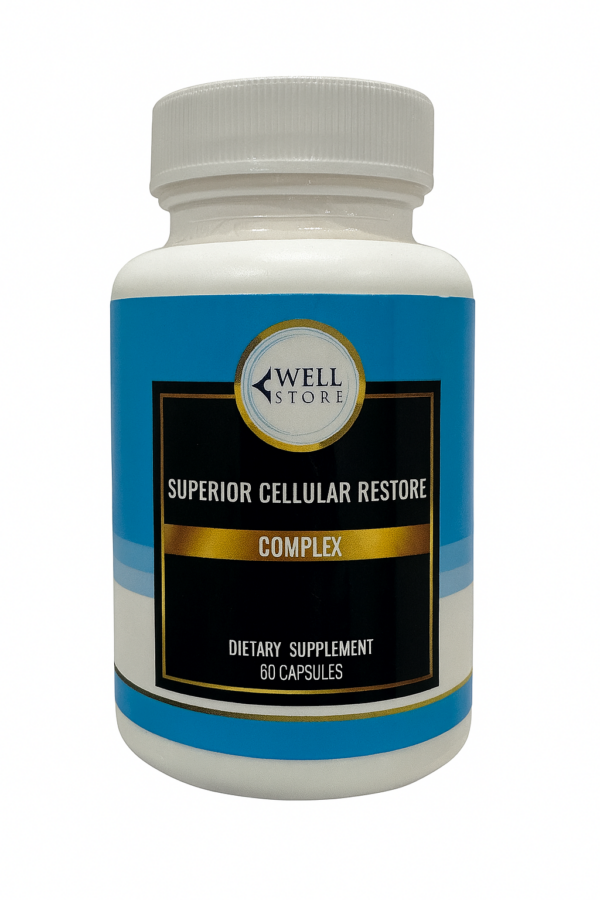
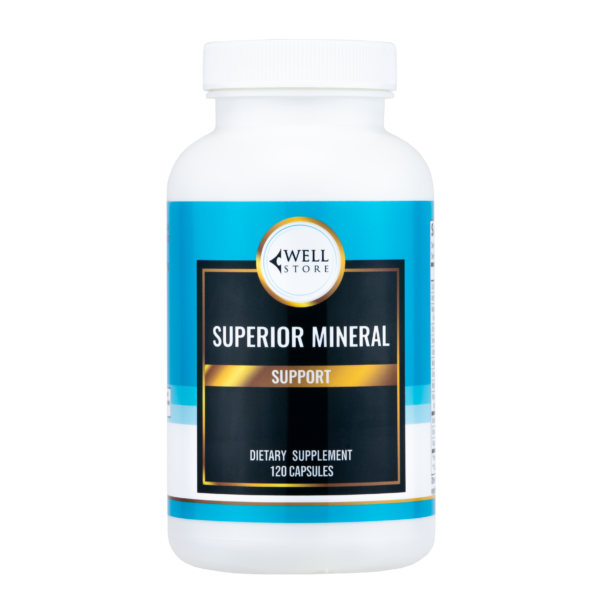
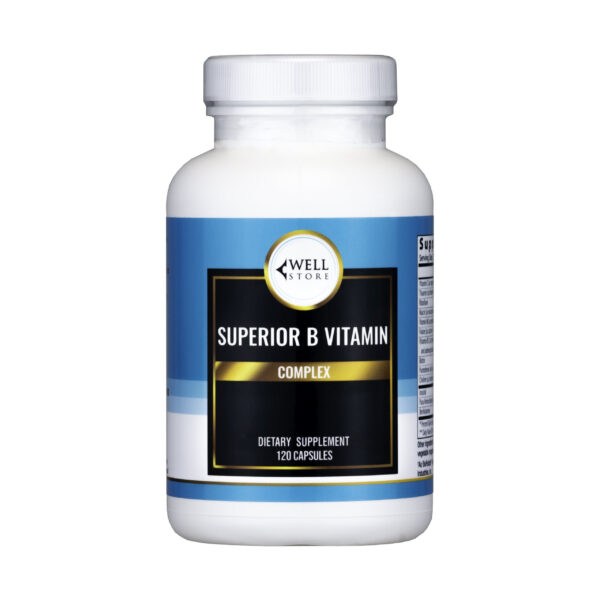
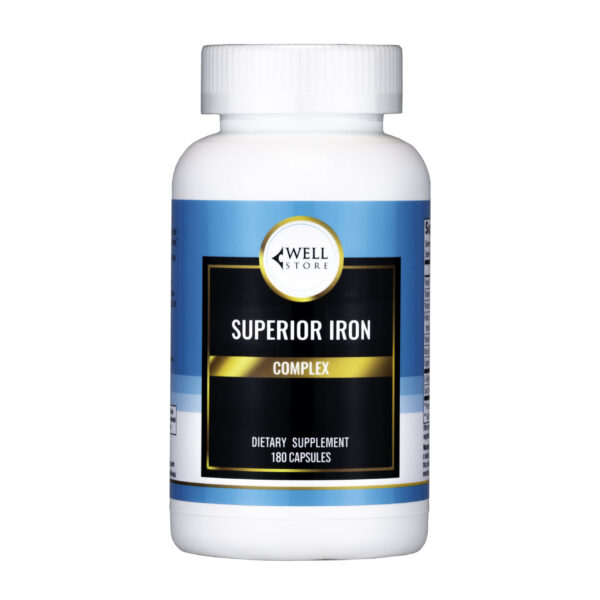
Minerals, B vitamins, iron and a healthy gut give your body the building blocks to make energy.
Reduce insulin resistance so nutrients reach your cells, and improve sleep quality so your body can heal.
Western medicine often doesn’t work with hormones, nutrients, exercise or metabolic function, and all of them are required to rebuild your mitochondria, your energy factories, so your body can start producing its own energy again. That’s how so many people are told their labs are fine while they still feel terrible.
We add to this panel based on your history, including a full thyroid panel when it’s needed.
Most of the time, only TSH, or TSH and T4, gets checked. That isn’t enough information to tell you much. TSH isn’t a thyroid hormone at all; it’s the signal that tells your thyroid to work. To see how much your thyroid is actually doing, you need more:
The other thing most people miss: your body needs zinc, selenium, magnesium and iron to make thyroid hormone and to make it work at the cell. I’ve seen patients on the right dose of thyroid medication who still felt like it did very little, and their doctors didn’t have an answer. The missing piece was minerals. We restored them, and they felt great.
Insulin resistance keeps sugars and nutrients from getting into your cells. That reduces the raw materials used to make energy and starves your mitochondria. Think of it as slowing down every delivery of materials your body needs to make anything.
Testosterone is the healing hormone. It tells the body to regenerate. As you regenerate tissue, you build and repair mitochondria, which literally means building more energy factories. That’s true for women as much as men.
Eat low glycemic. We have to push back against insulin resistance and train your body to use fat as its primary fuel source.
It’s very common that we need hormones and peptides to fix these issues. Diet helps a lot long term and is the best way to maintain your results, but without the commands from hormones and peptides, the body doesn’t do anything. Restoring the body’s command structure brings it back to its original design, and then the body takes over for us. Depending on your labs and goals, that may include testosterone, GLP-1 peptides and other peptides that support mitochondrial health.
One of the most important things your body needs is oxygen, and it uses iron to carry it. Iron also helps make thyroid hormones work. If you are low on iron, it can affect you on many levels, even if you aren’t anemic.
These create inflammation that decreases nutrient absorption, and they steal a lot of the nutrients you’re eating. At the end of the line, you get far fewer nutrients than you ate. Many patients use our Parasite Cleanse Protocol to support gut and liver health.
Getting enough sleep is great, but quality matters more. Do you have sleep apnea or low oxygen at night? How is your REM and deep sleep? Do you dream? All of these determine how well you actually slept. Sleep apnea also drives insulin resistance, making everything worse.
Fatigue can sometimes be the first sign of something more serious, including sleep apnea, autoimmune disease or even cancer. That’s one reason a thorough lab workup matters. If we find something outside our scope, we will refer you to as many specialists as you need for your care.
It varies, but most people start to notice a difference in the first 6–8 weeks, and it keeps getting better from there.
A 55-year-old mother of three came to us after a couple of highly stressful events. She had grown more and more tired until she could barely function more than 4–5 hours a day. Her testosterone, estradiol and iron were very low, her fasting insulin was 17 and her A1C was 6.3. She had also started snoring because of weight she had gained and couldn’t lose. We reset her hormones, broke down the visceral fat with GLP-1 peptides, restored her nutrient levels, and watched the life and energy build back up inside her.
If this sounds like you, it very well could be. I see this exact situation at least twice a week. Please come get your life back.
— Dr. Matt Chalmers
Individual results vary.
It is not acceptable. Just because everyone else is burning out doesn’t mean you have to. Don’t let anyone sell you on the idea that it’s normal. Exceptional quality of life is a choice; come get it.
ME/CFS is a specific diagnosis: profound fatigue lasting six months or more that doesn’t improve no matter how much you rest, often gets worse after activity, and comes with unrefreshing sleep. People often describe never feeling better than a 5 out of 10. We treat both. Whether you’ve been diagnosed with ME/CFS or you’re just exhausted all the time, the same root causes are usually part of the picture: hormones, nutrient levels, insulin resistance and mitochondrial health. We work on all of them either way.
It is often one of the chief problems. Testosterone is a major hormone in a woman’s body, and most of her estradiol is made from testosterone through aromatization. Testosterone is the healing hormone: if you want more energy, you need to rebuild your energy factories, and testosterone is the hormone that tells the body to do that.
Yes. Your body uses iron to carry oxygen, and it also needs iron for hormones like thyroid hormone to work. Getting iron levels not just in range, but higher up in the range, can make a difference.
This is metabolic, and it has a lot to do with how your body handles insulin. An insulin spike can pull too much sugar out of your blood, so you start to shut down a little while your body shifts into emergency sugar-making mode. Once it has made enough sugar to balance you out, you feel energetic again. This is common around lunch.
Not really. What happens is that you have a nutrient, sleep or hormone deficiency, and caffeine blocks the tired signal enough to push through. Since nothing fixed the deficiency, it gets worse. Caffeine gets blamed, but the real problem is that you still didn’t get the raw materials your body needs to build energy.
Yes, they can. Your body runs on ATP, not calories. If you stop eating and stop taking in nutrients, your body runs out of the chemicals it uses to make ATP, then breaks down muscle to get to the nutrients stored there. As that happens, you lose mitochondria and you lose energy. That’s how misuse or poor guidance gives GLP-1s a bad name. They can either cause or help fix chronic fatigue, depending on how they’re used. They are amazing tools, but if you use them wrong, you get bad results.
Most people start to see a change in about 6–8 weeks, and it builds from there.
Unfortunately, insurance coverage is sketchy. Insurance will often pay for some of the labs but not much of the treatment. Call 214-446-5300 for details.
These are the nutrients Dr. Chalmers most often includes in his energy plans. Iron should be guided by your labs.
Tell us a little about what you’re dealing with, and a member of the Pillars of Wellness team will contact you. Prefer to call? 214-446-5300.
Written by Dr. Matt Chalmers, DC, CCCN, CCSP. Medically reviewed by, and medical services provided with physician oversight from, Dr. Deborah Z. Bain, MD, FAAP. This page is educational and does not replace individualized medical advice, diagnosis, or treatment. Prescription options such as testosterone, GLP-1 medications and peptides require an evaluation and are not right for everyone.
*Statements about dietary supplements have not been evaluated by the Food and Drug Administration. These products are not intended to diagnose, treat, cure, or prevent any disease.